Don't miss our holiday offer - up to 30% OFF!

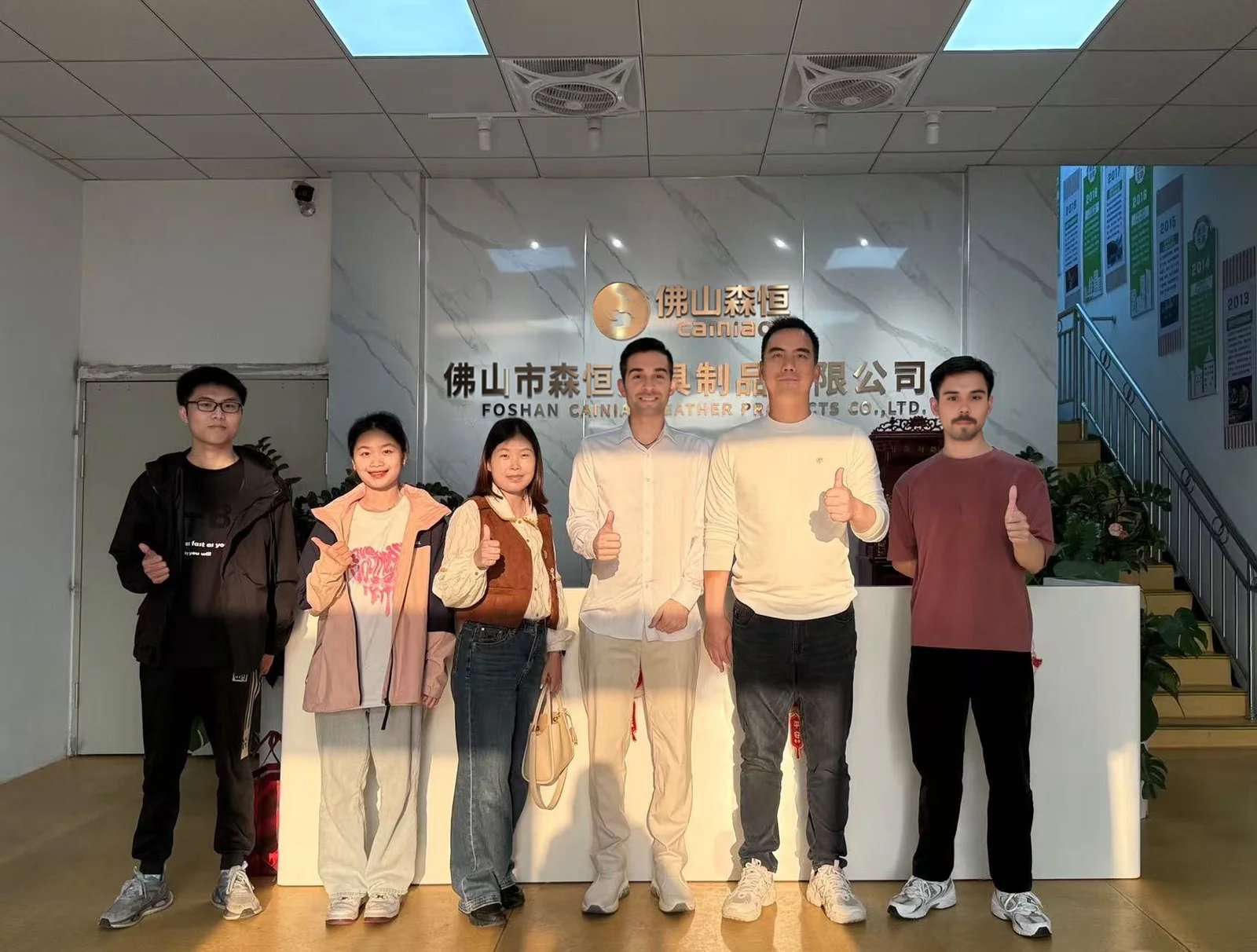
Case Study: When Leather Craftsmanship Meets Phone Protection

Case Study: When Leather Craftsmanship Meets Phone Protection
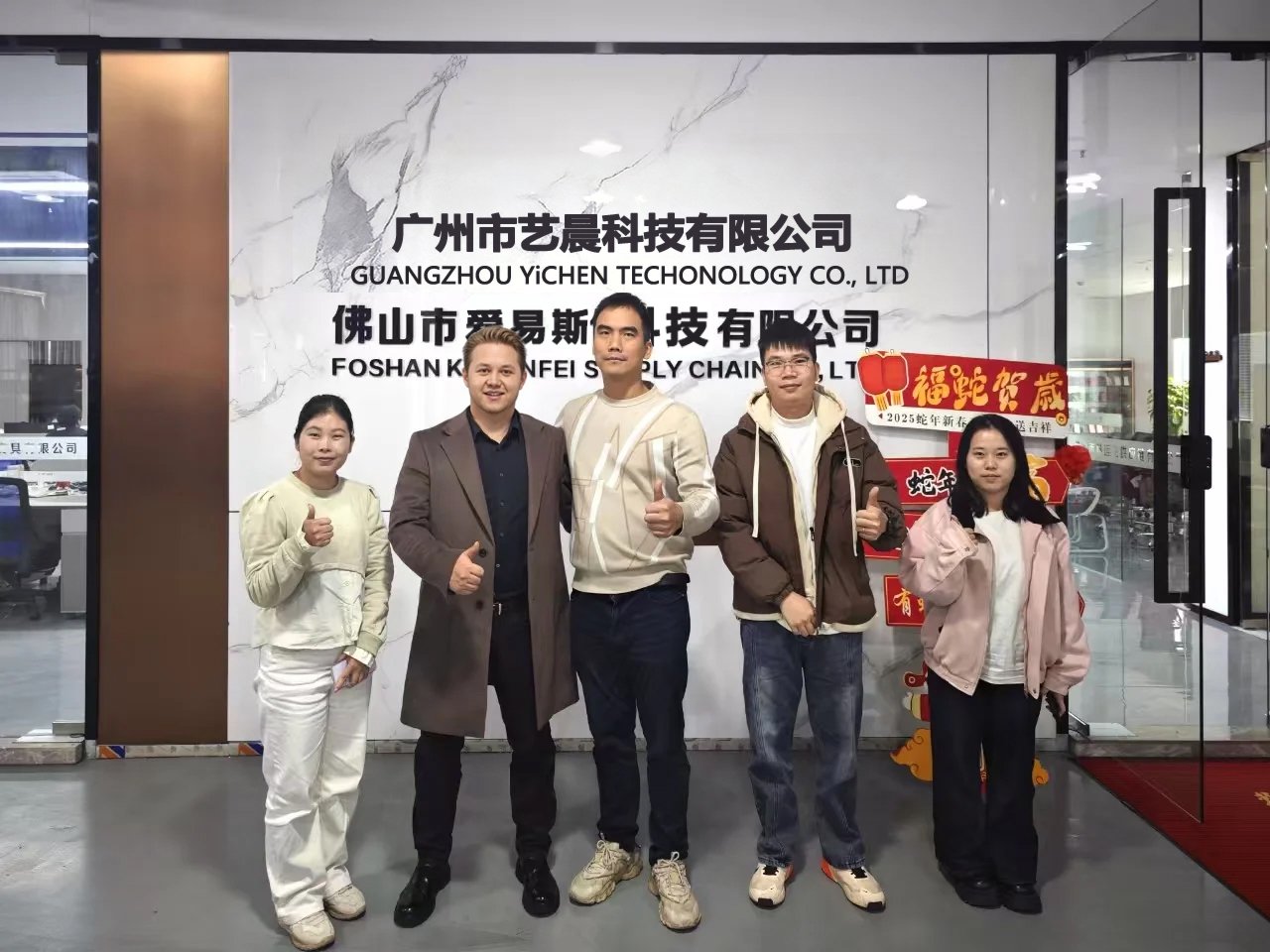
Client:Guangzhou YICHEN TECHNOLOGY Co., LTD & Foshan Senheng Leather Goods Products Co., LTD
Project: Co-branded premium phone cases combining genuine leather inserts with TPU armor frames
Volume: 12,000 units (50 SKU)
Timeline: 34 days from leather sample approval to delivery
Case ID: SVC-2024-CM-AMK-021
The initial brief: Caimiao sent us a hand-cut leather swatch with a note—”Match this texture and flexibility on the phone case back panel.
The Collaboration Model
These weren’t typical clients—they were material specialists. Caimiao and Airmensk supply premium leather goods to offline retail chains across southern China. They wanted to enter the phone accessories market but had zero experience with injection molding, drop tests, or MagSafe interference. Their expertise was in hide selection, cutting precision, and edge finishing. Ours was everything else.
The ask:
Create a phone case where the leather panel feels like it belongs to their handcrafted wallet, but with a modern style while also having drop protection. Target retail price: 10 US dollars. Our production costs must be kept below 6.8 US dollars in order for their profits to take effect.
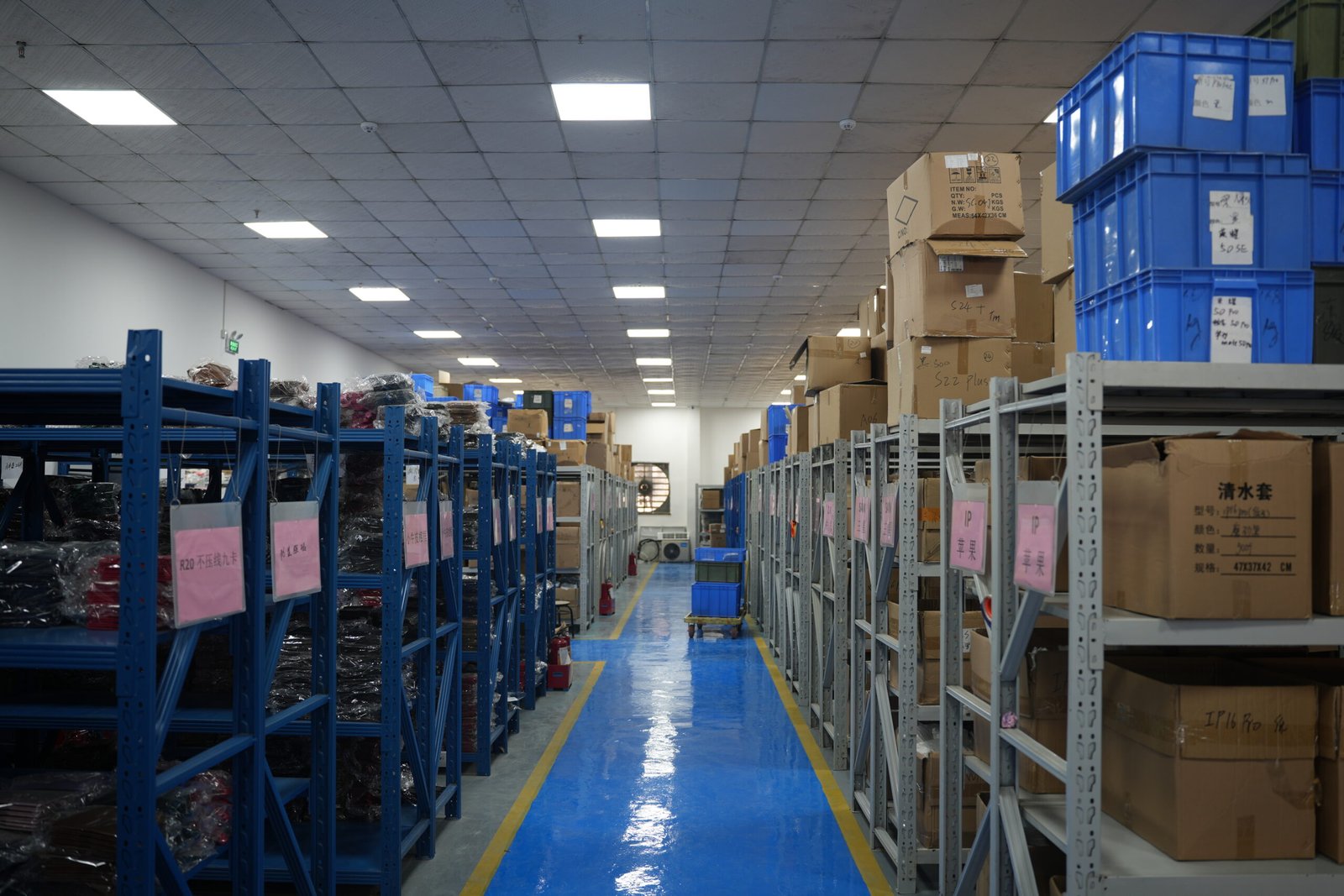
Our difficulty!
Our first attempt
The leather insert was 0.8mm thick, bonded with 3M tape. It felt premium but failed the 48-hour humidity test—the edges lifted. Humidity in their Shenzhen warehouse hit 78% during monsoon season
Leather vs Mold
Leather isn’t plastic. The hide’s natural stretch variance (±0.2mm) conflicted with our mold’s ±0.1mm tolerance. Our first 200 units had misaligned edges—slight, but visible under store lighting.
We switched from post-mold bonding to in-mold lamination. The leather sheet is placed in the cavity before TPU injection. The pressure and heat bond it permanently. Tooling cost increased by $1,400, but scrap rate dropped from 8% to 1.2%.
Leather vs Mold
The “Feel” Gap
Their leather craftsmen pressed the prototypes and said, “Too stiff. It should feel alive.” Our standard TPU shore hardness was 85A—protective but rigid.
Custom TPU blend: 78A shore hardness for the bumper, 90A for the frame. We ran three small batches (500 units each) for them to blind-test with their retail staff. The 78A won unanimously. Cost add: $0.11/unit. We absorbed it for the PO.
Solution
Logo Debossing
They wanted their heat-embossed logo on the leather, but the 180°C embossing iron warped the underlying TPU frame. The case wouldn’t sit flat.
Deboss the leather before lamination. Then, during injection, we used a lower mold temperature (42°C instead of 48°C) to prevent re-softening. Added 3 seconds to cycle time. Production dropped from 1,200 to 1,050 units/day, but the logo stayed crisp.
Solution
The reasons for cooperation
Final production run: Airmensk’s QC manager, Liu, stationed at our facility for the final 48 hours, hand-checking leather grain alignment on every 50th unit.
What We Learned
Material experts are QC extremists. They measured leather thickness with calipers at five points per unit. We had to retrain our QA team to their standard. It slowed us down but cut leather-related returns to zero.
Packaging is brand territory. They designed the retail box themselves—a rigid paperboard sleeve with foil stamping. We just had to match the inner tray dimensions precisely. Their first box sample didn’t fit our case’s MagSafe magnet bump. We adjusted the tray depth by 0.5mm overnight.
Supply chain sync matters. Their leather supplier (Kunyunfei Supply Chain, per their invoice) delivered hides on 7-day cycles. We had to time our production windows to their delivery, not ours. We burned 1.5 days of idle machine time waiting for the midnight-blue hide batch.
Cost of learning: $2,100 in mold modifications, $340 in scrap leather. We now have a documented “genuine leather lamination” process we can pitch.
Client feedback :Our customers don’t ask if it protects. They ask if it’s real leather. You made it feel like our brand.”
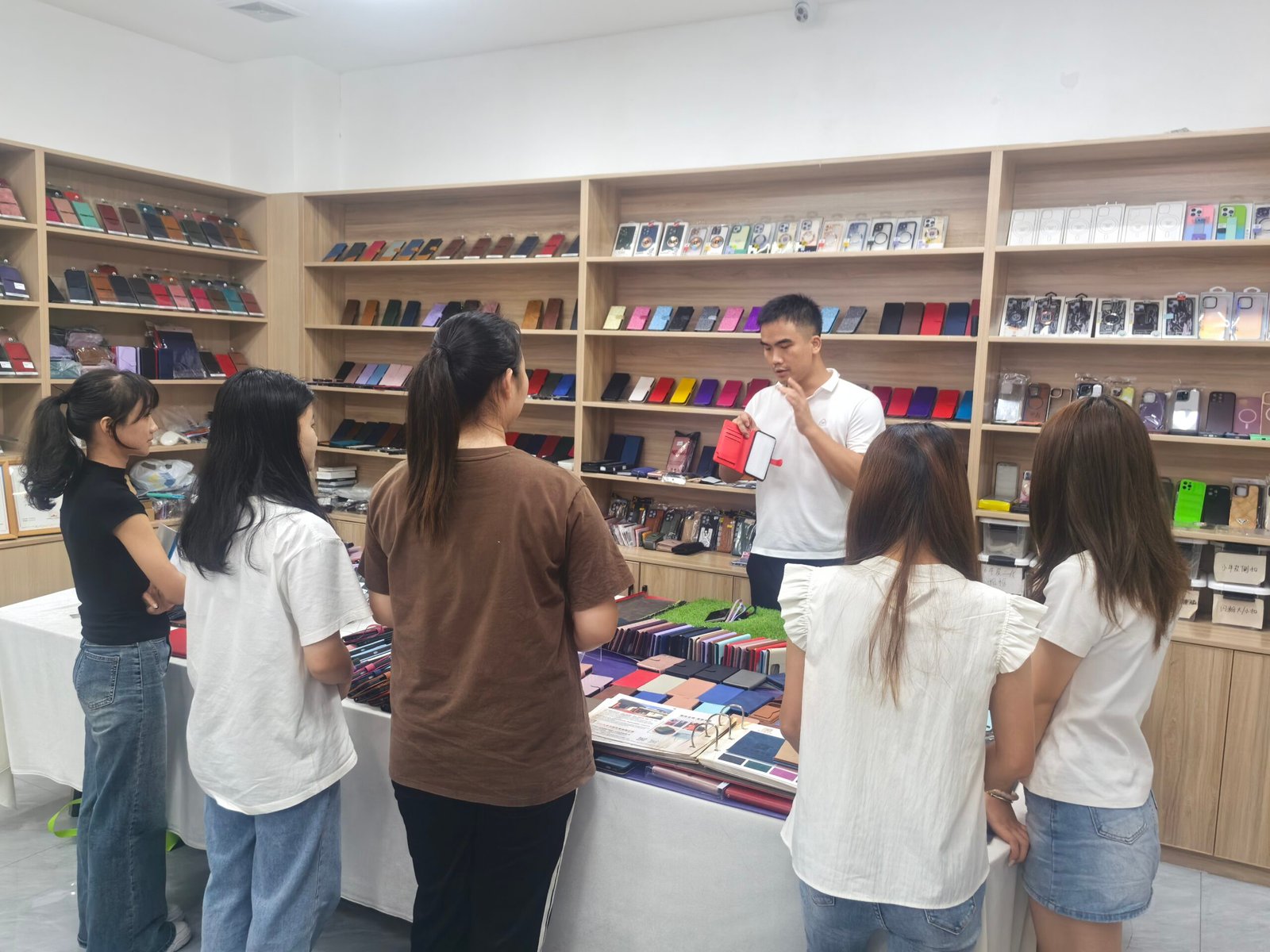
Margin for us
$6.80 production → $8.90 billed. Thin, but the co-branding opened doors. Two other leather goods brands contacted us within a month.
The mokaisi team’s understanding of genuine leather characteristics exceeded our expectations. They proactively solved the leather stretch tolerance and TPU mold matching issues, and even collaborated with us on three blind tests to find the optimal softness. While there was an adjustment period, the final product lets our customers instantly recognize our brand’s signature quality. Definitely a partner for the long term.