Don't miss our holiday offer - up to 30% OFF!

The Margins in Phone Protection: What We Actually Learned

We started making phone cases and bags in 2017. Seven years later, the most valuable knowledge isn’t about trends—it’s about what fails and why.
Material is a Compromise, Not a Choice
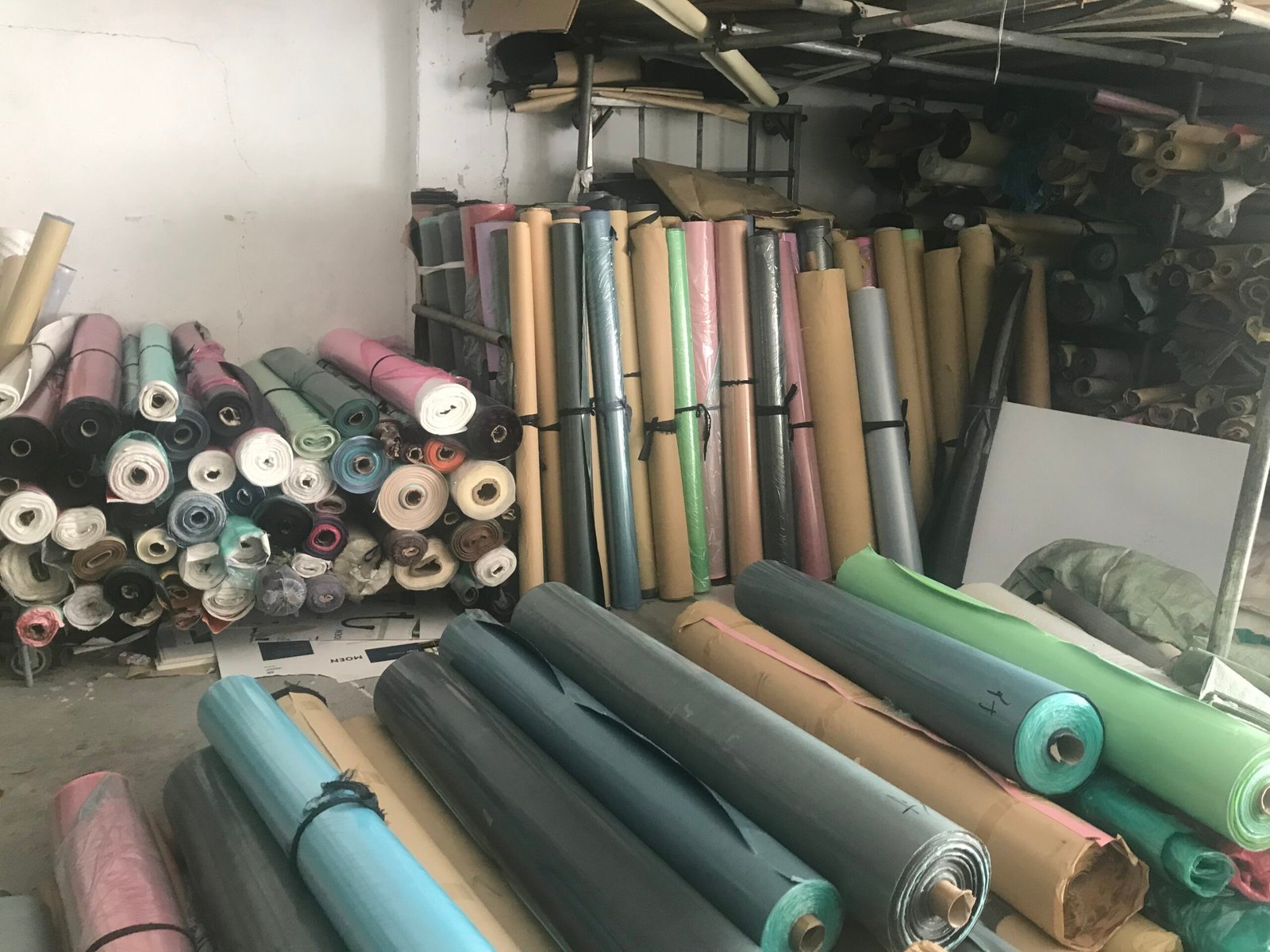
TPU isn’t inherently “better” than PC. TPU absorbs shock but scratches easily and yellows in 8-12 months with heavy UV exposure. PC stays clear but shatters on corner drops. Silicone grips well but attracts lint and stretches over time. We use TPU for bumper frames, PC for clear back plates, and bonded leather for premium lines—not because it’s trendy, but because each material’s failure mode matches specific user expectations. You can’t eliminate trade-offs; you just pick which problem your customer will tolerate
Molds Are a Capital Problem
A decent steel mold costs $6,000-$12,000 and takes 25 days to cut. That’s why small custom orders are expensive: amortizing a $9,000 mold over 500 units adds $18 per piece before material costs. We’ve had clients cancel projects after the deposit because they didn’t understand this math. Soft molds (aluminum) cut the cost by half but wear out after 8,000 shots, causing dimensional drift. You feel it when button holes start misaligning by 0.3mm. That’s not a quality-control failure; that’s physics.
The Camera Bezel Dictates Everything
When a new phone launches, the camera module’s height is the first spec we verify. A 2mm bezel means standard lips work. A 4mm bezel—like the recent Ultra models—requires a 1.5mm raised lip around the lens, which then interferes with screen protector alignment. We’ve scrapped entire runs because the lip cast a shadow on wide-angle photos. The fix wasn’t redesigning the case; it was adding a 0.2mm chamfer to the inner edge, discovered after 200 test shots with actual devices.
Wireless Charging is a Silent Killer
MagSafe compatibility isn’t just adding a magnet ring. The magnet array must be 0.8mm thick or it won’t align. But a 0.8mm magnet plus a 1.2mm TPU back equals 2mm total—enough to cut charging efficiency by 40%. We learned to embed magnets in a 0.5mm PC pocket, thinning the TPU overmold to 0.7mm. The first 3,000 units we made didn’t do this. The return rate was 23%. Now we test every batch on a Qi pad and measure actual wattage, not just “does it charge.
Yellowing Isn’t a Defect; It’s a Timeline
Clear TPU yellows. That’s oxidation. We add UV inhibitors that extend clarity from 3 months to 8 months, but it costs $0.12 more per unit. Some clients choose the cheaper version and accept the trade-off. When reviews complain, we have the data: inhibitor-loaded batches last 240 days before Delta E > 3. Standard batches hit that at 110 days. We now ask clients which timeline they want to warranty, because “non-yellowing” is a marketing term, not a material property.
What Actually Drives Changes
Our most important R&D tool is the monthly complaint log. Last year, 18% of returns were from users who pocketed their phone with metal keys, scratching the leather finish. We didn’t change the leather; we added a 0.05mm PET scratch-coating film. Cost: $0.08 per unit. Returns dropped to 4%. The innovation wasn’t the material; it was accepting how real people misuse products.
Bottom Line
This industry runs on tolerated failure rates and understood compromises. We make phone protection slightly better each year by documenting what breaks, not by chasing breakthroughs. The companies that last aren’t the ones with the best designs; they’re the ones who know exactly where their 3% defect rate comes from and chip it down to 2.5% next quarter.